Webinar: Negotiate for Change! 5 Tips to Innovate as a Clerk


Ask Leana Johnson (City Clerk/Treasurer, White Salmon WA) questions on her recent webinar where she discussed ways that you can:


- better demonstrate the value of your ideas
- get budget approval and organizational buy-in
- how to persevere through setbacks when trying to innovate; and
- how to successfully plan, integrate and implement technology


If you missed the webinar, a recording will be posted to ClerkOn soon.

City of Camas (WA): "Regarding the agenda and agenda items - What about when you have to make changes to what's being submitted? Do the drafter's/submitter's get to see them before vs. after?"

City of Camas (WA): "Do you have someone else on staff or Council that's just as 'excited' about innovation as you are? Were you instrumental in bringing them along?"

City of Reading (PA): "Do you provide laptops or tablets for your Council members use or do they provide their own?"

City of Calistoga (CA): "Are there specific regulations for naming the documents that are being stored by state? If so, where can I find this information?"


City of Miami Springs (FL): "Currently, we have all of our dept.'s send the Clerk's office their memos that we scan and use into Adobe. How does Leana do that? Do her other dept.'s send her their memos and she input it into that program?"

Town of Westford (MA): "I'd like to know more about how the electronic minutes and agendas are preserved and is there opportunity to add older minutes and agendas for easier access to the public?"

(TX): "Can you share the justification you used for agenda software?"

There is a way you can flag the items that have been changed as "Addendas." It will not show what has been changed, only that it is either a new item or you have made changes to what was previously published. An example of this is on our March 16th agenda.


If I have to add an agenda item before the meeting I will flag it and notify council that additional information has been added. This will allow them to review the information before the meeting. At the meeting they will then formally add the item to the agenda.

Yes, I am lucky that there are some just as excited as me about innovation. Between us it helps to encourage others through the changes. It is not always the case though. Having the ability to listen to, and address, the concerns of others goes a long way to bringing them along.

At this time Councilmembers provide their own. We may look at purchasing tablets in the future depending on money being available in the budget.


I talked with another jurisdiction about their transition to tablets for Council in an effort to go paperless and how that process went. They stated that it was a bit of a challenge with those that are not as comfortable with technology. They overcame that obstacle by scheduling one-on-one lessons on how to use it. Over time they became comfortable with it, but the individual and continued support on questions and issues were key to the successful implementation.

There are regulations around how long we have to wait before destroying any documents and a specific process for documenting those items that are destroyed. In Washington can be found on the state archives website. For California, you can visit the website http://www.sos.ca.gov/archives/calrim/ and see if that answers your question. If not, I would reach out to your state Clerks association and they would be happy to point you in the right direction.

For White Salmon, I write all of the memos in Action Tracking with input from the departments. Memos with iCompass can be handled multiple ways:


You can continue to scan them in and upload them to the agenda, which is similar to the process I have for our "Other Information" section of our agenda.


You can utilize Action Tracking and have a template tailored to your memo format (which we have done for White Salmon during the implementation of iCompass). You can then copy and paste the information (if they send it in a word document) and attach any documents to that item. The completed memo can then be uploaded to the agenda.


The ideal option is to utilize action tracking with a memo template tailored to your current format and have the departments enter in their own information into the template with their attachments. Once they have completed their memo, they can route it for approval. Once approved, all that is left to be done is to upload it to the agenda.

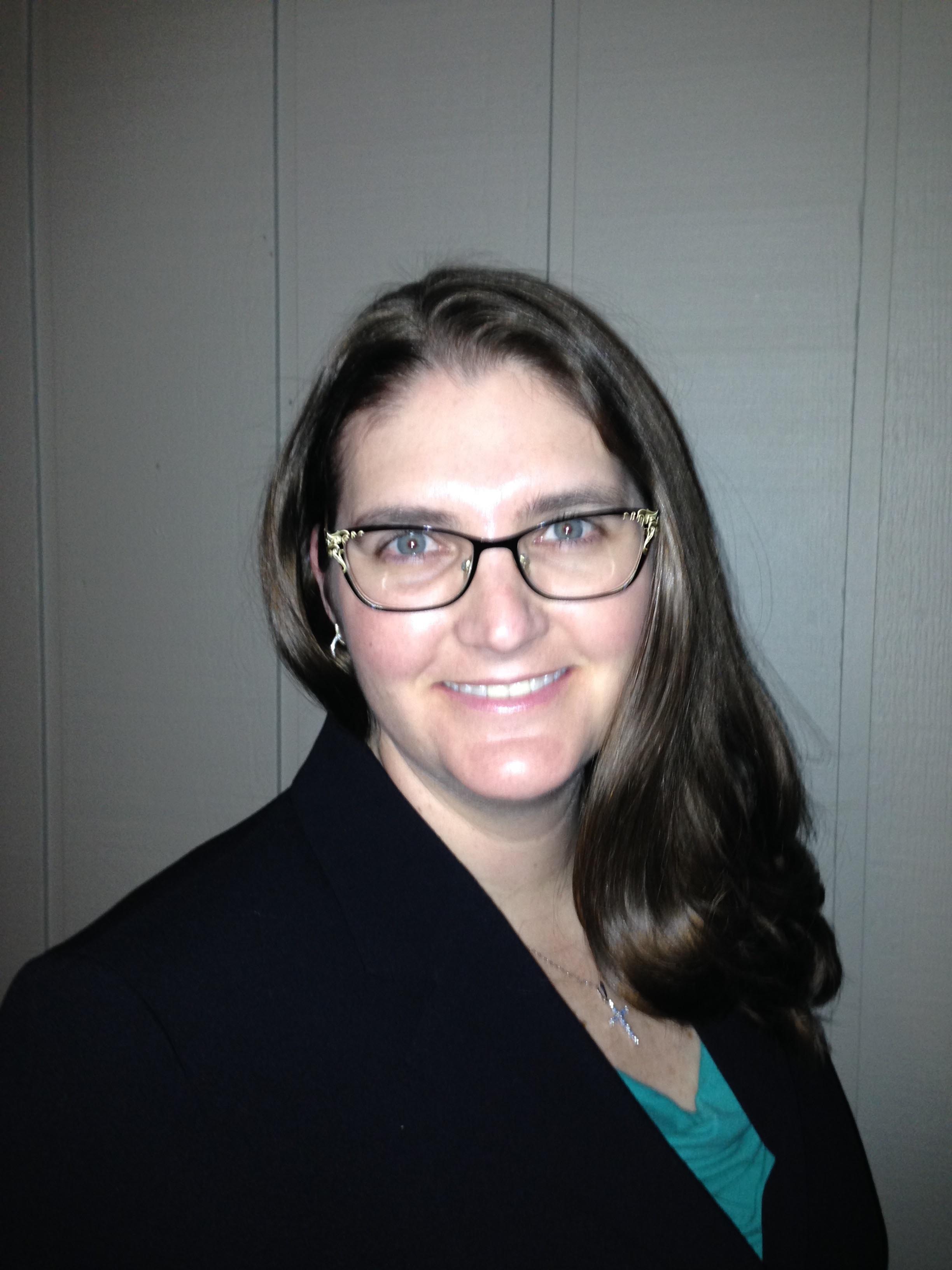
They are stored as a pdf, html or splitscreen file within the Document Center. I can also flag it as a record and track the document in the Records Manager. The pdf files are uploaded or can be converted to OCR, which allows the text within the documents to be searchable. This makes it easier for the public to find items they need through the Document Search. Older items can be uploaded in the Document Center, which is something we are doing as time allows (too many documents, never enough time).

It is on page 94 of our July 1st, 2015 Council Meeting (https://white-salmon.civicweb.net/filepro/document/4300/150701%20Council%20Packet.pdf). My argument for the software was more qualitative than quantitative and, as you can see from the argument, we were able to absorb it within the budget. The justification I used for the second round of pitching the outsourcing of printing the utility bills was much more quantitative and is on page 6 of our September 3rd, 2014 Council Meeting (https://white-salmon.civicweb.net/filepro/document/6954/140903%20Council%20Packet.pdf). That can be used to help craft your own calculation of time/money saved and in outlining what you can do with that additional time.